Showing posts with label Romance. Show all posts

Sunday, February 2, 2025

The Adventures of Robin Hood (1938)

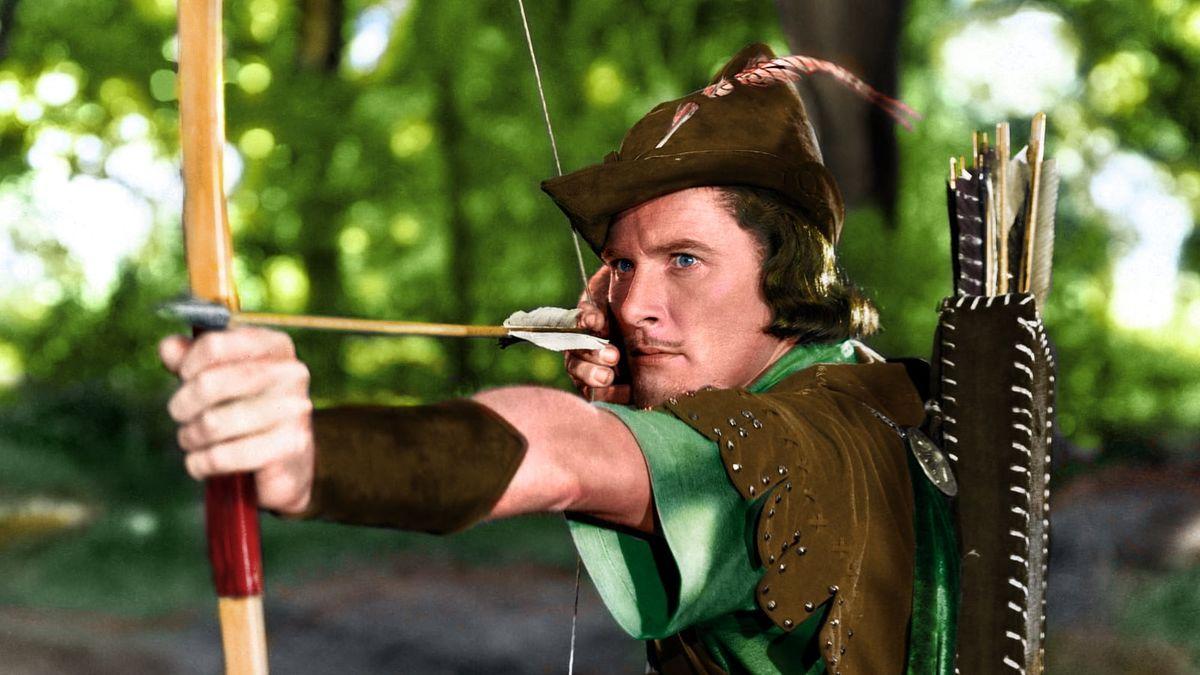
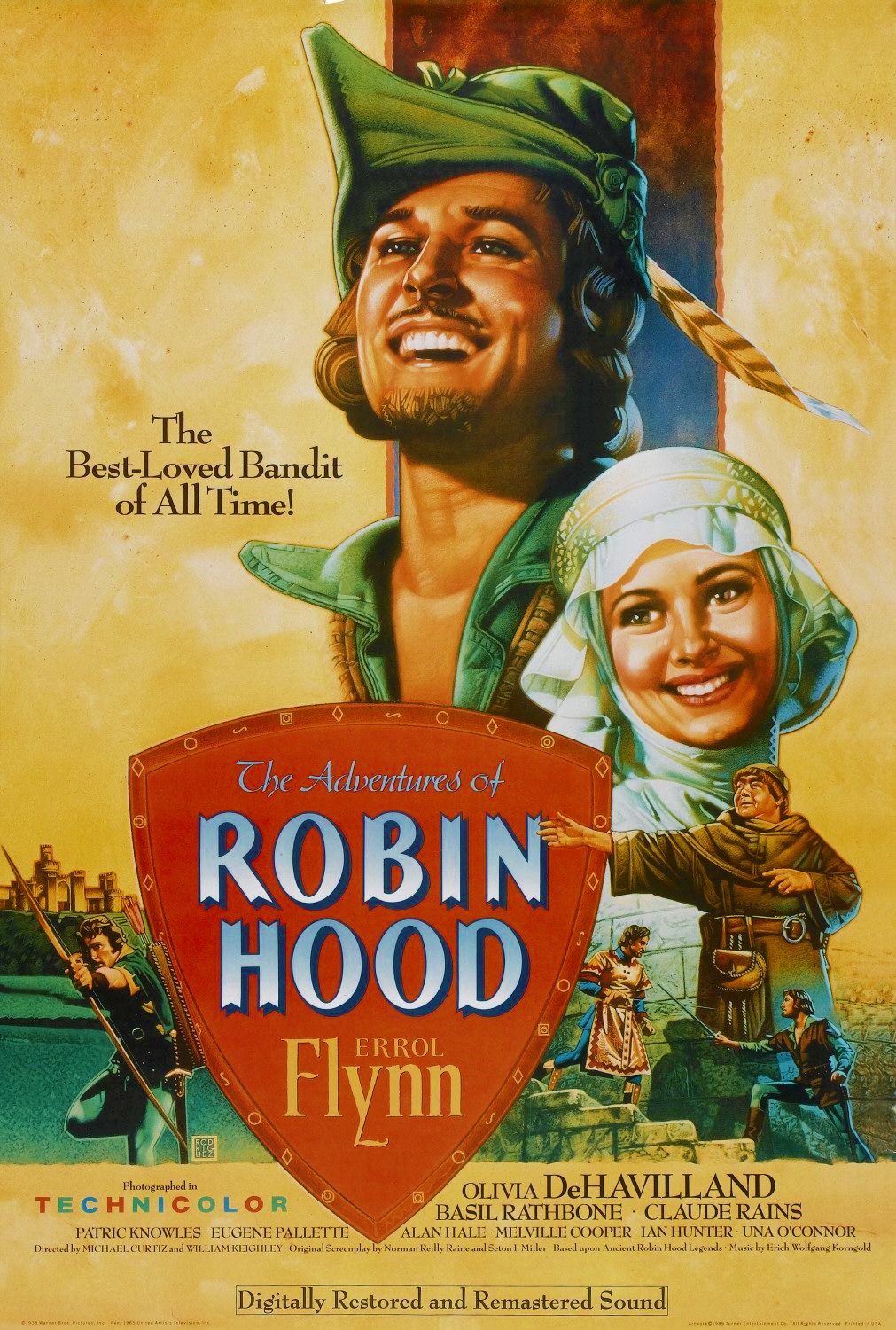
Prince John and the Norman Lords begin oppressing the Saxon masses in King Richard's absence in 1190s England. However, Saxon lord, Sir Robin of Locksley, fights back as the outlaw leader of a resistance movement. He and his band of Merry Men, rob the rich to give to the poor and foil the cruel sheriff of Nottingham, Sir Guy of Gisbourne, whilst keeping the nefarious Prince John off the throne. Robin Hood is one of the oldest tales in English folklore that, despite its age, continues to entertain the masses to this day. A story full of enthralling adventure naturally captivates the imagination and excitement of people of all ages over countless decades. It is therefore no wonder such a tale would make for a thrilling big screen experience. However, this wasn't the first big screen outing for the swashbuckling hero, with previous adaptations dating back to 1908 and 1922. Whilst equally entertaining, many, including myself, would regard this as a definite introduction to the character on the silver screen. This adaptation is rich in every conceivable aspect. Firstly, the enormous 'stage-like' sets were magnificent, like, for instance, the castle, which held an unprecedented scale unlike anything I had seen in film from this time. It truly took advantage of the possibilities for a big-screen depiction, allowing opportunities to leave audiences in awe at the sheer size of its set design. Personally, this was the most surprising aspect that impressed me immensely. A film from this decade with real sets of this magnitude easily overshadows the lifeless CGI landscapes of some movies. Secondly, there was the action that ups the ante with its invigorating flashy sword fights, which were as visually impressive as they were physically. Accompanying these fights is the grand soundtrack that elevates these scenes to their peak excitement, equally doing wonders for other scenes of varying emotions. Thirdly, we have the other integral participant in the visual spectacle, the magnificent colours. I find this to be the film's greatest asset since not only was it not commonly used at this time in filmmaking, but it allowed for some spectacular striking visuals. The colours used were the most vibrant possible and like the effort dealt to the grandiose scale, it too took full advantage of its capabilities making for another Technicolor delight. Finally, we have the players, those in the foreground delivering those hard-hitting lines, leaping into the action and having all the fun. Robin Hood is played by Errol Flynn who is best known for his swashbuckling romance roles with this one probably being his most recognisable. His portrayal certainly set the bar for all future incarnations of the character and his performance was quite the stand out. From the physical side with the sword duels to his comedic playful dialogue, filling the story with plenty of joyful laughter. I thoroughly enjoyed watching his formation of the band of Merry Men and how he gained their trust and loyalty. Naturally, his crew consists of Little John, Friar Tuck, Will Scarlett, Much the Miller's son and countless others. I found it quite interesting to see just how many people join forces with Robin in the woods as some depictions only show the main names you know with the occasional aid from villages, so an army made for quite the spectacle during battles. Later joining them would be the beautiful Maid Marian played by Olivia de Havilland whose performance as the heroine equally shone, especially in the growing romance with Robin. Similar praise can be said for all cast including the villains, Sir Guy of Gisbourne and Prince John, whose cunning and imposing presences made for fantastic antagonists, especially Gisbourne, who has some exquisite fencing with Robin in the final battle. Overall, The Adventures of Robin Hood is a pinnacle of the golden age of Hollywood. From its superb casting in both leading and supporting roles, the phenomenal action, set pieces and score, to the stunning colour visuals, this picture is everything a movie should aspire to be. It has stood the test of time and still looks incredible, inspiring countless films over the decades and influencing the many Robin Hoods yet to come. 

Runtime: 1h 42m
Directors: Michael Curtiz, William Keighley
Genre: Action / Adventure / Romance

Related Sites and Media:


Movie Trailer:


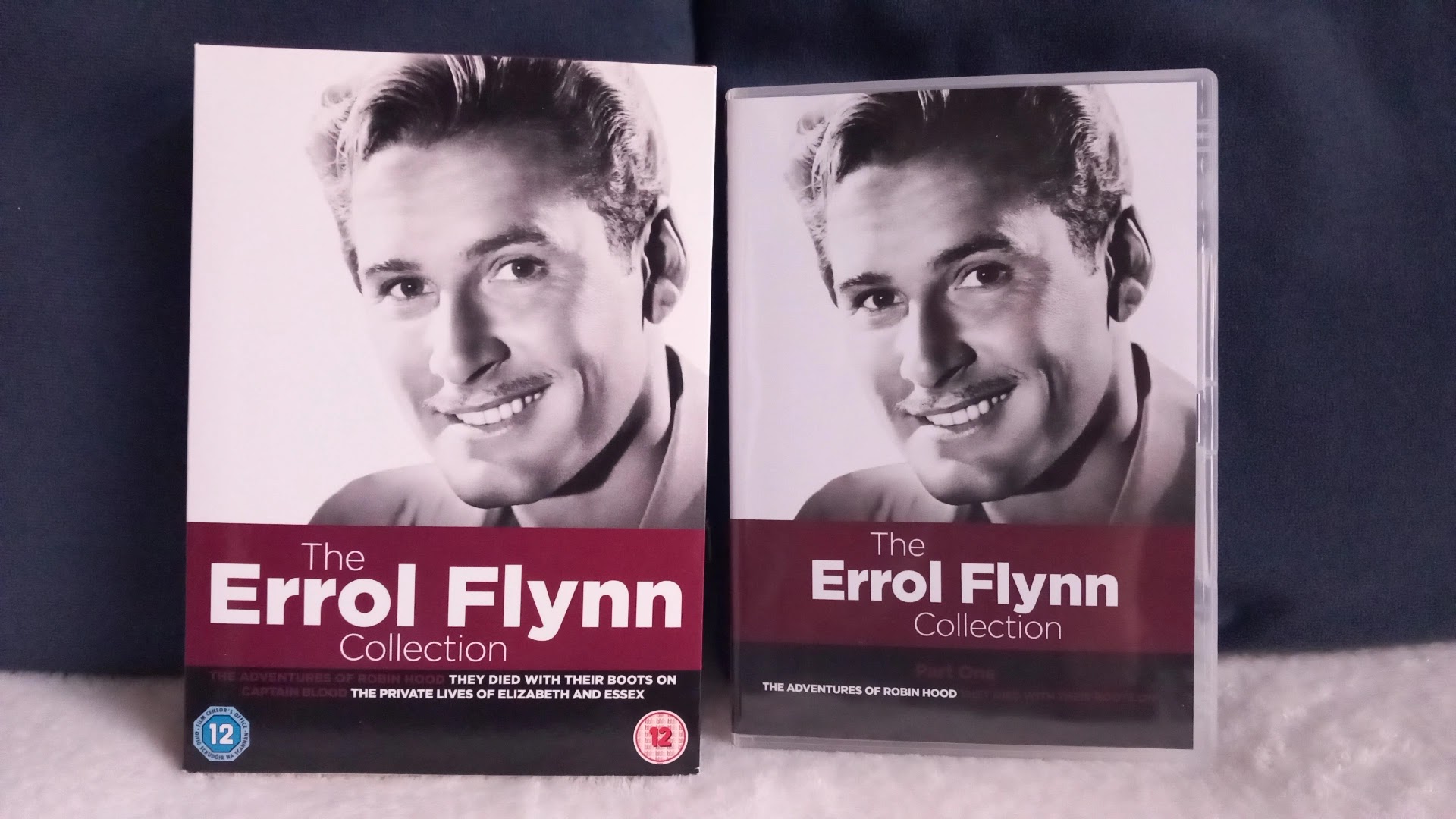
My DVD Boxset:
Thursday, January 16, 2025

The Sound of Music (1965)

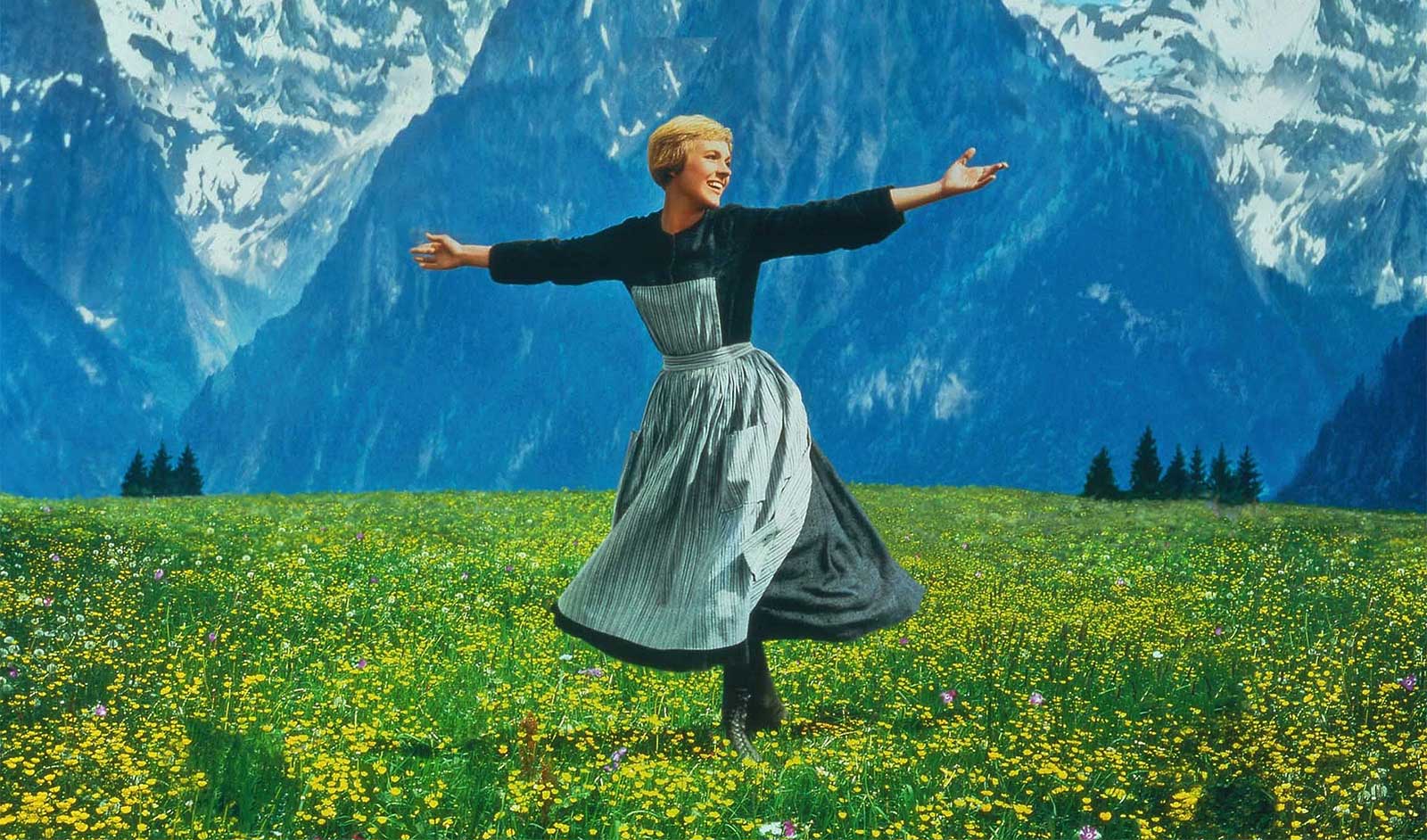
In Austria 1938, Captain Georg Von Trapp, a widower, runs his home like the ship he once commanded although, that changes when Maria arrives from the abbey to be his seven children's new governess. She is surprised to learn she's the latest in a long line of governesses seen off by the children, but Maria soon finds that all they need is a little love to change their attitudes. She helps reintroduce them to singing, and through her, music is brought back into the hearts and home of the Trapp family. The Sound of Music is undoubtedly one of the most significant musicals of all time and the most beloved. It has not only firmly remained a classic after all these years but still looks phenomenal now. Its visuals are breathtaking with a superb direction that brings us countless beautiful shots. Whether it be the sweeping shots of the luscious mountain landscapes or even the mere stills of such grandiose locations as the villa and festival stage, this film is inundated with stunning imagery worthy of a theatrical presence. Further shaping the movie are those in the foreground, Maria and the Von Trapp family. We follow Maria who leaves her life in the abbey as a nun to aid the family of Captain Von Trapp. I adored these characters whose interactions and moments together were extremely captivating and brought to such life by their respective actors/actresses. Julie Andrews (Maria) has such a magnificent singing voice that elevates every scene to peak delight which, only blossoms greater when combined with the children, Liesl, Friedrich, Louisa, Kurt, Brigitta, Marta, and Gretl. There are a plethora of songs throughout in which to hear their exquisite voices with so many memorable classics from 'My Favourite Things', 'The Sound of Music', 'Do-Re-Mi', 'The Lonely Goatherd', 'Sixteen Going on Seventeen', 'So Long, Farewell' and more. The songs have even surpassed the movie becoming so universally known that people who haven't even seen it likely know them. Plus, there are plenty more songs featured like those from the Nuns and Mother Abbess with 'Maria' and 'Climb Ev'ry Mountain'. However, the ones I was most captivated and surprised by were from that of Christopher Plummer (The Captain). He has such a voice I was simply blown away by his performance and subsequent songs, with my favourite being the somewhat emotional 'Edelweiss'. As well as being so captivating in terms of the music, each was equally so in the story. Now, the movie is based upon the real story of the Von Trapp family singers, however, naturally, there have been alterations to the cinematic telling, which comes in at a pretty lengthy timestamp. Although, when I watched it again recently I hardly noticed. There wasn't any feeling of it dragging or taking too long. So it comes as no surprise when I say I loved the story. I most enjoyed watching Maria attempt to connect with the children who make the matter difficult as they try scaring her off like previous governesses as they hope to gain their father's attention. However, she finally gets through to them rejuvenating that sense of joy as they come to share an unbreakable bond that also befalls the Captain, who had suffered the worst from the incident. However, the Captain is now engaged to the Baroness, which causes some conflict inside Maria who, without meaning to, has grown a liking to him also. One of the most noteworthy aspects of this movie is its setting. Anyone who noticed the year would immediately make the troublesome connection. Underlying a constant background feeling of dread with the imminent takeover by the Nazis looming. There are hints of this change throughout with it being a topic brought up gradually until it consumes the picture leaving the family to make a difficult decision. Overall, The Sound of Music is a production I and many others consider to be flawless. It manages to convey countless emotions through varying elements like its songs, acting and story, which is tremendously visceral. It is a feature perfect for the whole family certain to captivate you, make you sing and warm your heart. An integral movie to the world of cinema, everyone should experience.

Runtime: 2h 52m
Director: Robert Wise
Genre: Biography / Drama / Family / Musical / Romance

Related Sites and Media:


Movie Trailer:


My DVD Copy:

Thursday, October 31, 2024

Taste the Blood of Dracula (1970)

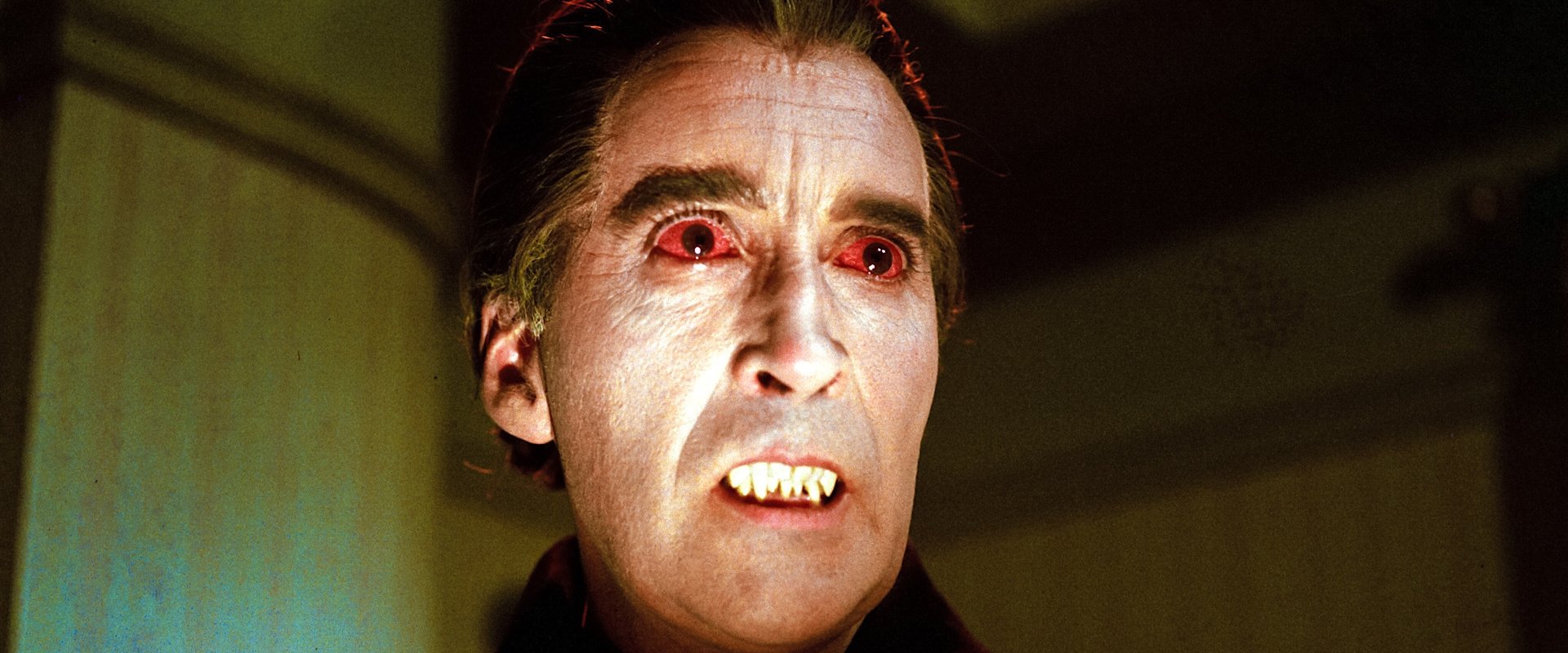
Three middle-aged distinguished gentlemen search for some excitement in their boring bourgeois lives and are approached by Lord Courtley who offers them an experience like no other. They don't yet fully realise he is one of Count Dracula's servants. They perform a ritual that goes awry resulting in the three men killing Courtley. However, the Count is successfully resurrected and now seeks revenge on each man for his servant's death. Following on from Dracula Has Risen From the Grave (1968), we open to the scene of Dracula's demise, however, this time featuring a new angle. Travelling businessman, Weller is thrown from his carriage and alerted by horrifying screams, leading him to the frightful sight. Witnessing the body turn to dust, Weller collects the robe, jewellery and a vial of blood for good measure (as any sane person would). We are then introduced to three gentlemen: William Hargood, Samuel Paxton and Jonathon Secker who are deemed 'respectable' figures in the community, devoted to charity work. But, in actuality, they head to brothels leading a secret life in an attempt to escape their dull lives. Upon our initial meeting of the group, I was quite shocked to see the true nature of their so-called work. Admittedly, it was an interesting aspect to explore the double life led by supposed upholding citizens. These men are certainly unlikable, which the actors did a phenomenal job at portraying as they revel in their ingenuity. Of the three men, I found Hargood the most disagreeable. His actions were horrendous, like his punishing of his daughter, Alice, when drunk for no good reason. Still dissatisfied in their lives, they meet Lord Courtley, a man known for partaking in acts such as a Black Mass. Intrigued by what he offers, they follow him to Weller's store to purchase Dracula's items and powdered blood. Meeting at an abandoned church, they begin the ritual, which entails (you guessed it) drinking the blood of Dracula. It is a pretty disgusting scene though likely nothing extreme by Hammer's standards but by all accounts, it was still a sick concept to witness. Although, when they each back out, Courtley drinks alone, falling to the floor in pain, begging for help. The frightened men instead beat him to death putting him out of his misery and flee the scene moments before Courtley's body morphs into none other than Dracula. Now risen a fourth time, he seeks revenge once more this time on those who killed his servant. It is interesting to note, that the original script featured no Dracula at all. There were difficulties in getting Christopher Lee to return and Courtley's character would've been a generic vampire upon his death, for the antagonist. Lee later agreed to star in the production and yet analysing the film closely it appears Dracula has less to do in the story and acts as more of an observer to the events, likely since he wasn't in the script, having to be worked in. Dracula's plan for revenge here is certainly a twisted one. Controlling and possessing the children of the gentlemen and using them towards each's demise is a very dark concept that explores the pure evil cunning of our Count. One by one, he gets a hold of the offspring of each perpetrator and sets in motion the means to their deaths. Whilst never acting upon the individuals himself, he commands the children to deal the blows, ultimately committing the deed and counting them off at a time in his bone-chilling voice, "The First", "The Second" and "The Third". Despite his triumph, Dracula is unaware Paxton's son Paul (not to be confused with the last film) is informed of the whole ordeal by Secker by letter and now sets in motion his defeat. Though we don't spend much time with Paul, his scenes towards the end are great with the de-sanctification of the derelict church and battle with the overwhelmed Dracula by the sights and cross. Overall, Taste the Blood is personally one of my lesser favourites mainly due to not being as memorable. I still enjoyed many aspects, especially Dracula's vendetta and the final confrontation plus, Lee is outstanding, alongside the fellow cast members. It's still a worthy watch in the series. For more, see the unconnected sequel Scars of Dracula (1970).

 
Runtime: 1h 31m
Director: Peter Sasdy
Genre: Drama / Fantasy / Horror / Romance / Thriller

Related Sites and Media:


Movie Trailer:


My DVD Copy:

Sunday, October 27, 2024

Dracula Has Risen from the Grave (1968)

One year after the destruction of Dracula, Monsignor Ernest Mueller visits the village to ensure that all is well. He learns that the locals no longer attend mass because the shadow of Dracula's castle touches the church. They feel the castle still contains evil. To alleviate their fears, the Monsignor performs an exorcism of the castle to rid it of all evil. The local village priest, however, accidentally reawakens the frozen Dracula, who now seeks revenge on Monsignor Mueller, targeting his niece Maria. Risen from the Grave is the fourth instalment in the Hammer Dracula franchise, set a year after the events of Dracula: Prince of Darkness (1966). The movie begins, however, with a short segment acting as a flashback, although never actually put across as such. The scene shows one of Dracula's victims' fate, which plays heavily into the later reasoning for the villager's abandonment of the church. We are introduced to our semi-protagonist, the Monsignor, who is shocked to discover the attitude shared towards the church and the power the castle still holds over them. There are many parallels here with Prince of Darkness, even the part where he knows Dracula is no longer there despite everybody still believing so and he shames them all. The Monsignor puts in motion a plan to exorcise the castle in hopes of alleviating their fears, taking a large golden cross with him, accompanied by the local priest. Whilst the Monsignor performs the act, the priest (yes, that's all he's called) accidentally falls during an immense storm, where he comes face to face with the frozen Dracula. The resurrection scene is always a fascinating sequence, as we await to see how he will return, though I found this one to be somewhat far-fetched, personally. Nevertheless, our badly dubbed priest has unwillingly brought back Dracula, and Christopher Lee again but this time, with a new notable difference. He talks! Not only do we finally, get to hear the masterful voice of Lee, but it's the most he has spoken so far, even featuring some lines during his beast-like state. Taking hold of the priest, Dracula makes him his servant in a revenge-centered mission he hunts the man who barred him from his home. Whilst Dracula regains his strength, we meet our main protagonist, Paul, a baker at the pub who happens to be the boyfriend of Maria, the Monsignor's niece. The pair share some great chemistry and likely hold the place as one of my favourite couples we encounter in this series. It is this very night Maria plans to introduce Paul to her family, which doesn't go completely as planned as Paul's habit of telling the truth causes him to admit he is an atheist, displeasing the Monsignor. Whilst this could be overlooked as a throwaway scene, albeit a fantastic one, this plays well into the theme and focus of the film, religion. Dracula's existence has always been an attack on religion and this movie thoroughly explored this, especially on a physical level with him attacking the Monsignor, turning the priest into his servant, desecrating the church and so forth. It was equally fascinating to see his main adversary be an atheist who is sent into the turmoil of figuring out his own beliefs, shown tremendously in the staking sequence. It is a highly regarded scene among fans, where due to his lack of religion, the act doesn't quite go as you would expect, exploring a whole new aspect to the staking scenes. Dracula is phenomenal in this film, continuing to deliver an imposing presence aided by the creative lens shots of director Francis. There are a tons of brilliant moments from Dracula who leaps across rooftops and crashes through windows. Equally notable are his biting scenes, like his first victim and later follower, waitress Zena, to his attempts at getting Maria. However, Paul does all he can to prevent Maria's taking, culminating in a frantic battle, resulting in a truly astounding demise. Overall, Risen from the Grave is another superb sequel in the series that so aptly named, rises the Count once more for a frightful vengeance-driven endeavour, battling religion whilst being fought by a non-beliver. I truly loved how creative this film's story was, making for a notable entry. See the next production, Taste the Blood of Dracula (1970)

 
Runtime: 1h 32m
Director: Freddie Francis
Genre: Drama / Fantasy / Horror / Romance

Related Sites and Media:


Movie Trailer:


My DVD Copy:

Sunday, September 8, 2024

The Maltese Falcon (1941)

Hard-boiled San Francisco private eye Sam Spade is a man with questionable morals but is unquestionably good at what he does. One day, Spade is approached by Miss Wonderly, who offers him considerable money in exchange for locating her younger sister, who allegedly ran away with a man named Floyd Thursby. What follows is a series of murders, corruption and uncertainty, all tied up in a classic web of mystery and deceit, all leading back to the fabled Maltese falcon statuette. The Maltese Falcon is one of, if not, the most integral pictures to come out in the film-noir genre. It would certainly go on to inspire and create a template and standard for later films of the same genre. Funnily enough, this is not the first theatrical depiction of this novel with The Maltese Falcon (1931) released 10 years prior. Although, that variation hasn't nearly held the same lasting impact as this depiction. This iteration may very well be one of the greatest remakes in cinematic history as John Huston (who makes his directorial debut here) delivers a truly faithful adaptation. I was simply blown away by the presence this film holds. From exceptional cinematography, atmospheric scenery, clever witty dialogue and an experienced cast, there is a great deal at play here to captivate audiences and glue them to the screen. I have always been fascinated by detective stories and I feel their best depictions are in the dark, gritty noir films, with no exception here. The beginning alone sets the scene with what appears to be a fairly straightforward case laid out like your typical P.I. detective mystery, however, things take a drastic turn with a more complicated plot taking hold. I certainly found myself frequently guessing from start to end and whilst I am sure this can be said for any mystery-related project, I found questions popping up at every corner in such frequent successions. Also, I found the pacing of this film to be somewhat fast, almost like being just ever so slightly sped up, which comes in the way of the dialogue delivery. It was sharp, to the point and darted right off the tongue at excessive rates with certainly a lot of exposition at play, but it was not hard to follow. With talking pictures becoming so prevalent, I'm certain this film decided to take this opportunity to its fullest. Our leading protagonist is Sam Spade (played by the master of P.I. noir, Humphrey Bogart) who is portrayed as something of an antihero. He may be an investigator working on the side of the law but he appears to take matters more into his own hands, having no issue with keeping the police out unless it suits him. There are plenty of insinuations throughout that blur his character between the lines and make him difficult to anticipate. He is competent and always steps ahead of everyone else, including the multiple parties after the Falcon. These members consist of Cairo, Gutman and O'Shaughnessy, who come from varying backgrounds but are equally fascinating to watch as their shared desire for the bird shows the extremity of their obsessive natures to obtain it. Whilst a serious story there can still be found a level of comedy like in my favourite scene where Mr Cairo calls upon Spade to offer a large sum for the item before pulling a gun on him, ordering to search his office. Spade effortlessly disarms, knocks out and searches him and when he awakens he's questioned and given back his gun before leaving only to attempt the whole procedure again word for word. I howled with laughter it was phenomenal. Things are much more serious going forward, as the case grows closer to a conclusion, with every word told a lie, tailing hitmen and further bodies turning up around our investigator. It is particularly hard to guess anyone's next move especially Spade's as he works tirelessly to solve this bizarre case. Overall, The Maltese Falcon is the best of the best within the crime, mystery and film-noir genres. It is a perfect product that delivers everything you have come to expect and much more. It practically set the foundations for these types of movies and its influence continues to be ever-present. The cast is marvellous, direction stupendous, and story captivating. This is as classic as they come, a must-see.

Runtime: 1h 40m
Director: John Huston
Genre: Crime / Film-Noir / Mystery / Romance

Related Sites and Media:


Movie Trailers:


My DVD Copy:

Monday, December 25, 2023

The Nativity Story (2006)

In Nazareth, teenager Mary is betrothed to the local carpenter, Joseph. Mary is visited by an angel and told that she will fulfill a prophecy and as a virgin give birth to God's son, the savior of the world. Mary's pregnancy brings her the scorn of the community and Joseph struggles to believe her seemingly outlandish story. Meanwhile, a census forces every man and his family to return to his place of birth. Joseph and Mary set out on a long and arduous journey to Bethlehem that will coincide with the birth of Jesus. Over the years there have been plenty of iterations of this time-old tale but out of them all, this has to be one of the best in my opinion. This telling follows a realistic and lived-in approach that can be felt throughout in varying aspects from its acting, scenes, tone and picture. What I mean by this is I'm sure many are familiar with the bright and colourful depictions whereas this one has a slightly muted look and a more authentic appeal to the clothing/style. I think the overall look of this film has to be what makes it my favourite. I feel as though I have been transported into the time period and every shot feels glorious as it shows the vast landscapes travelled to Bethlehem or the grand cities. One of the most notable aspects of this version was a concentration on Mary and Joseph's relationship. They are both an important part of the Nativity story of course with Mary having the unorthodox pregnancy and Joseph claiming it to be his, protecting them. However, we don't get a great look into their relationship, which was an arranged marriage as Joseph loved her whereas she did not. With the further troubling appearance of a baby not belonging to Joseph, it made the situation more dire but with the guidance of an angel, he becomes more understanding. With the journey to Bethlehem, Mary comes to care for and love Joseph, which can be seen during a moment when Mary cleans Joseph's injured feet. I found their travel the most entertaining as we see countless snippets of their long journey from the troubles they encounter, the wonderous landscapes and the people. I found every scene fascinating, most especially to look at. The cinematography is nothing short of exceptional and gives such a scope and atmosphere packed into every section. Their story is an intriguing one to follow that most certainly shines thanks to actor, Oscar Isaac and actress, Keisha Castle-Hughes. Alongside their performance, everyone else does an equally fabulous job with the other most notable having to be the Three Wise Kings, Magi. They bring a delightful element to the film with their witty banter with one another, alternating from serious conversations to some light comical moments. I love how one of them, Gaspar, constantly disagrees about going, complaining all the way counting the days. That is until he arrives and sees for himself how tremendous the destination of the star was and what lay waiting there. The birth of Jesus was an exceptional sequence with the accompanied music of Mychael Danna who gives such a grandiose sensation to every scene and a calming effect for its tranquil segments. The visual of the stable was also just picture-perfect. It is a well-known piece of iconography and I felt that it was well represented here with the shepherds and Magi standing close by with the light of the star shining through a gap in the roof on Mary and her child. It was certainly a heartwarming depiction of the historical event that is sure to bring a smile to its viewers. I further like how much more weight the scene carries after a previous event that saw a shepherd give Mary and Joseph a moment to rest by a fire whilst exchanging some words, who would later visit them upon the angel's word, allowing them to interact once more. Overall, I have thoroughly enjoyed The Nativity Story for many years now as part of our family tradition at Christmas. It is one I have come to appreciate over time and will likely continue to do so over the following years to come. A brilliant telling of Jesus' birth that is definitely worth checking out this Christmas time. I would also recommend Jesus of Nazareth (TV Mini Series 1977) for not only its phenomenal depiction of his later life but for its version of his birth.

Runtime: 1h 41m
Director: Catherine Hardwicke
Genre: Adventure / Drama / Family / History / Romance

Related Sites and Media:


Movie Trailer:


My DVD Copy:

Tuesday, December 19, 2023

White Christmas (1954)

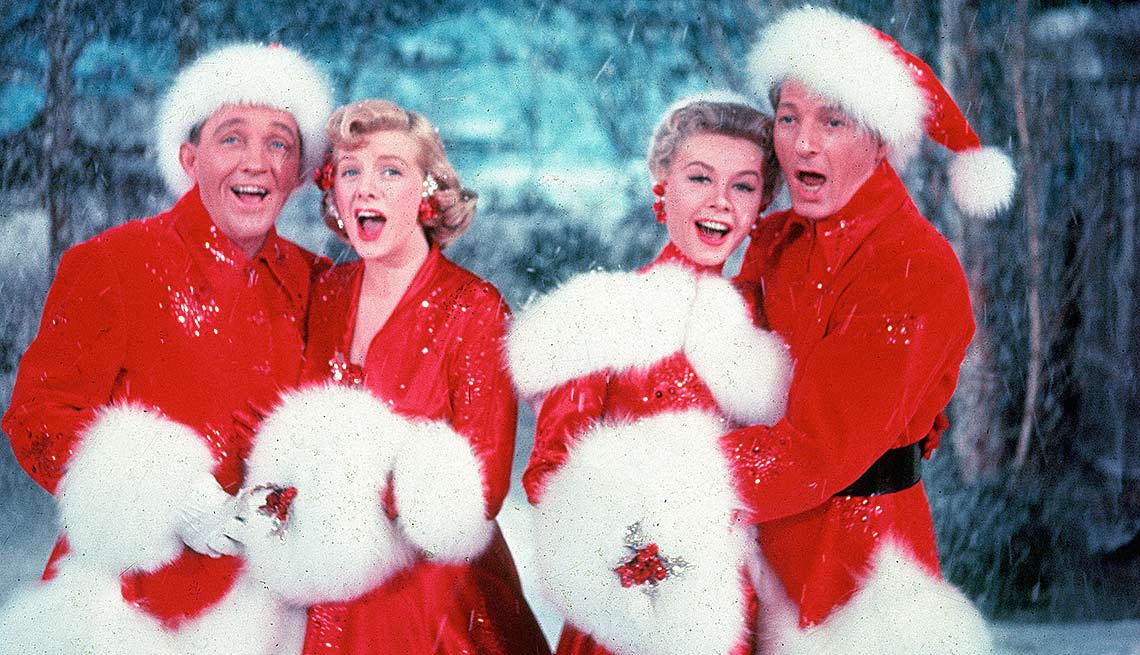
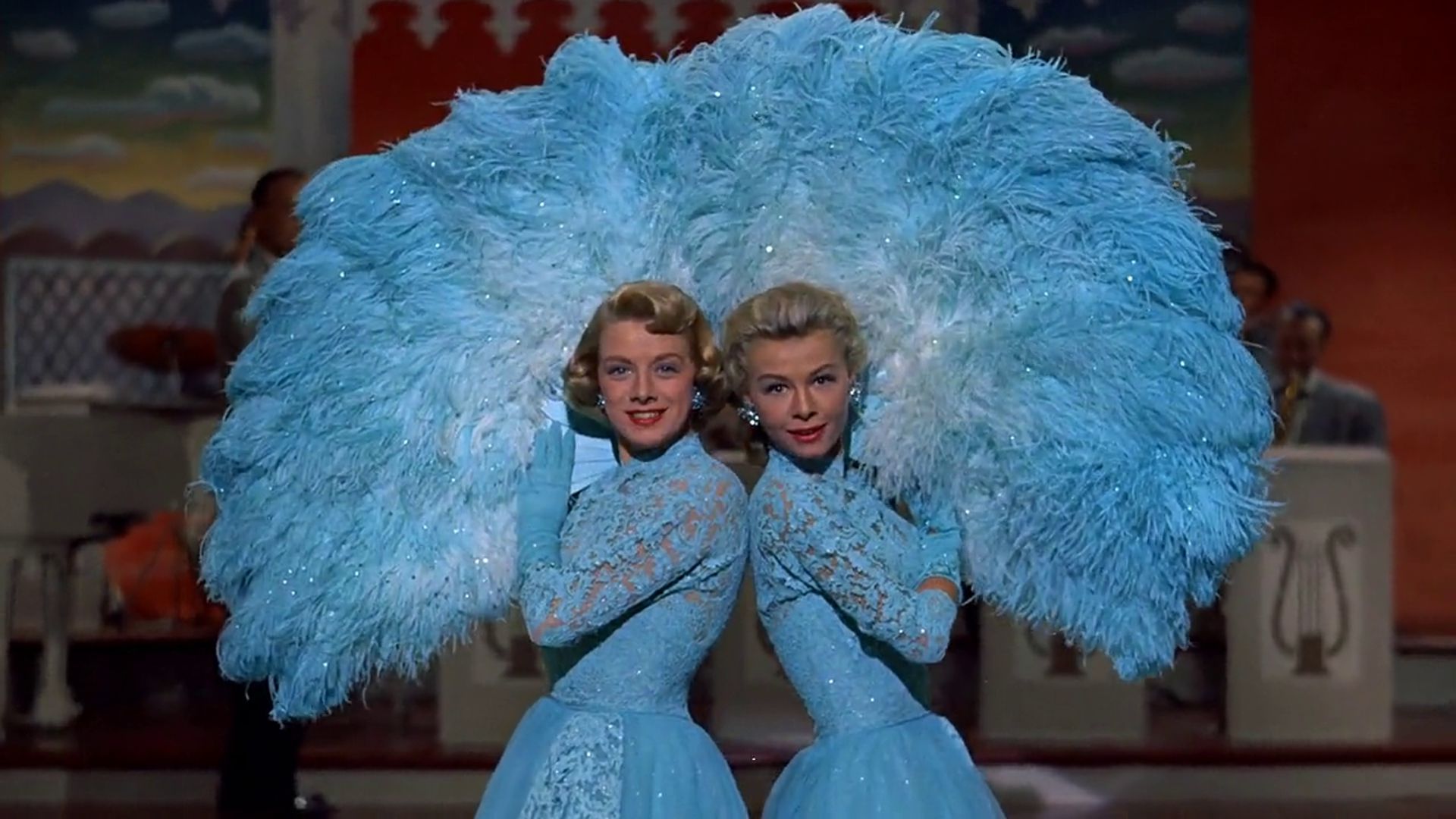
Having left the Army following WWII, Bob Wallace and Phil Davis team up to become a top song-and-dance act. Davis plays matchmaker and introduces Wallace to a pair of beautiful sisters (Betty and Judy Haynes) who also have a song-and-dance act. When Betty and Judy travel to a Vermont lodge to perform a Christmas show, Wallace and Davis follow, only to find their former commander, General Waverly, as the lodge owner. He's sunk his savings and his pension into the venture but it has yet to snow and it looks like he's on the verge of bankruptcy. They come up with a plan to help the General out, but a misunderstanding leads to a rift between Bob and Betty, leaving it to Phil and Judy to try and get them back together. White Christmas is one of the warmest feeling festive flicks I have ever encountered. Just something about the atmosphere gives off a comforting vibe that is accompanied by the spectacular cast who give this film life. We open to a grand setting of a demolished site during the Second World War with buildings in ruins with a small stage built in the centre. We get a glimpse of the performances done to boost the morale of the troops, especially during the Christmas period where we see Wallace and Davis doing some routines. It is one of my favourite scenes most likely for the set design but also the singing of Crosby's iconic 'White Christmas' which he is most well known for and a farewell song featuring the whole crew to their commander in a heartfelt moment. As it ends the site is bombed and a wall almost falls on Wallace who is luckily saved by Davis who 'injures' his arm and uses this to guilt trip him into forming a duo act in performing. They of course become a renouned success after the war but Davis sets his sights on some time to relax and attempts to settle Wallace down with a lady, also as a means of cheering him up. They later meet another duo act, sisters Betty and Judy Haynes where the two fall for the other ladies. Each of the main cast are of course singers and performers who translate their skills onto the big screen in a plethra of ways. Bing Crosby brings his delightful singing, Danny Kaye offers his energetic dancing and comedy, Vera-Ellen her spectacular dancing and Rosemary Clooney supplies her beautiful voice. Each brings a definitive trait that sets them apart from the rest whilst also combining their talents into a fabulous display, working off of one another. This can be best seen through Danny (Davis) dancing with Vera (Judy) in a striking display early on in the film full of stunts and some magnificent choreography. The group end up taking a joint holiday to Vermont where they bump into their old commander, General Waverly who now owns a lodge that is falling on bad times, which the duo attempts to fix. Using their popularity and influence with the aid of the sisters, Wallace and Davis bring over their show to entertain, plus arrange all the soldiers who served under the General to lift his spirits. Whilst at the lodge we see plenty of dancing segments mainly through the use of practising before the show, which fills gaps throughout the film for some dance numbers and pretty spectacles. Equally, we get some moments for songs with highlights revolving around Crosby (Wallace) and Rosemary (Betty) whose romance takes centre stage with its ups and downs. Their chemistry was incredible and was a romance that we, the viewers, wanted to see blossom to its fullest like Davis and Judy, which makes their eventual get-together all the more satisfying. My one gripe throughout the film was a slight absence of the look of Christmas. Its presence is certainly felt and talked about but with the lack of snow (until the end) and little decor at times felt as though it could be a film for any time of the year rather than a Christmas flick. However, towards the end, it all comes together with all the plot lines and payoffs coming to a close with that picture-perfect winter and a dazzling display of the festivities. Overall, I had a wonderful time and it's easy to see why it is many people's comfort movie. There are catchy songs, exquisite dances and it produces just the right feeling of warmth and joy. A perfect film for the perfect season.

Runtime: 2h
Director: Michael Curtiz
Genre: Comedy / Musical / Romance

Related Sites and Media:


Movie Trailer:


My DVD Copy: